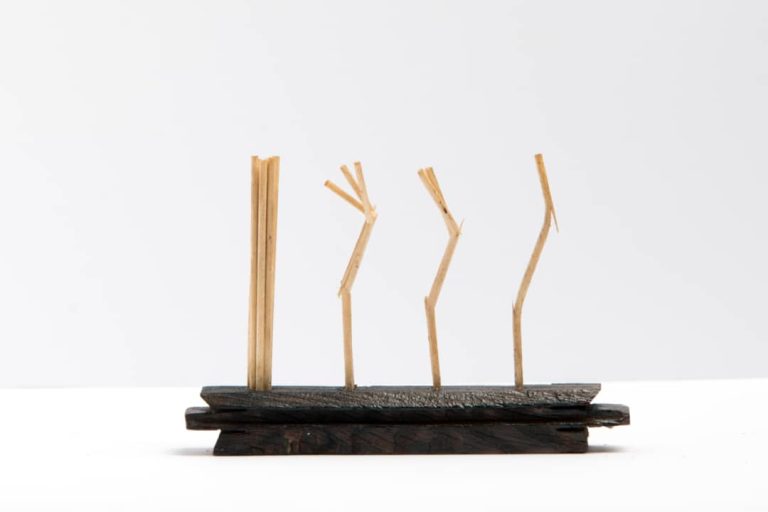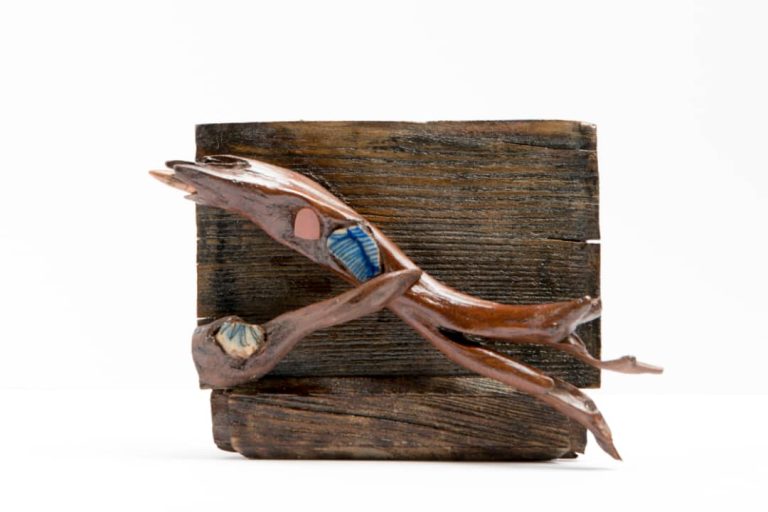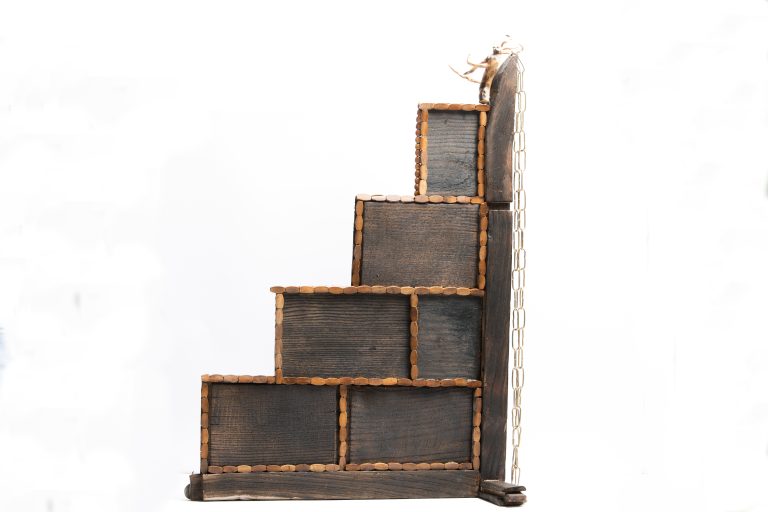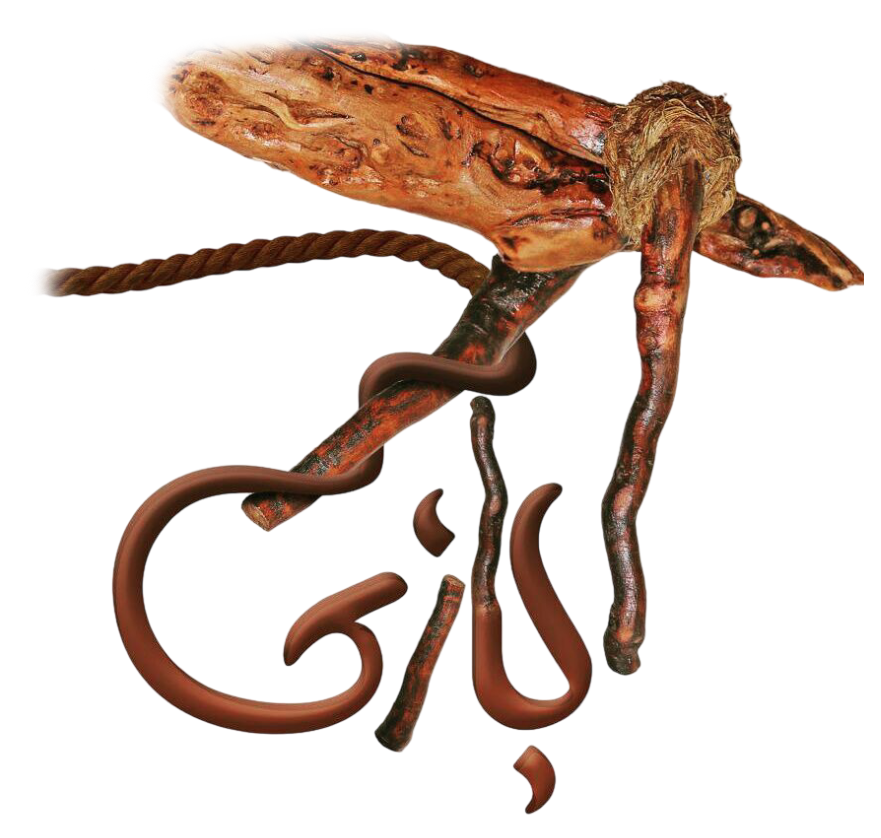
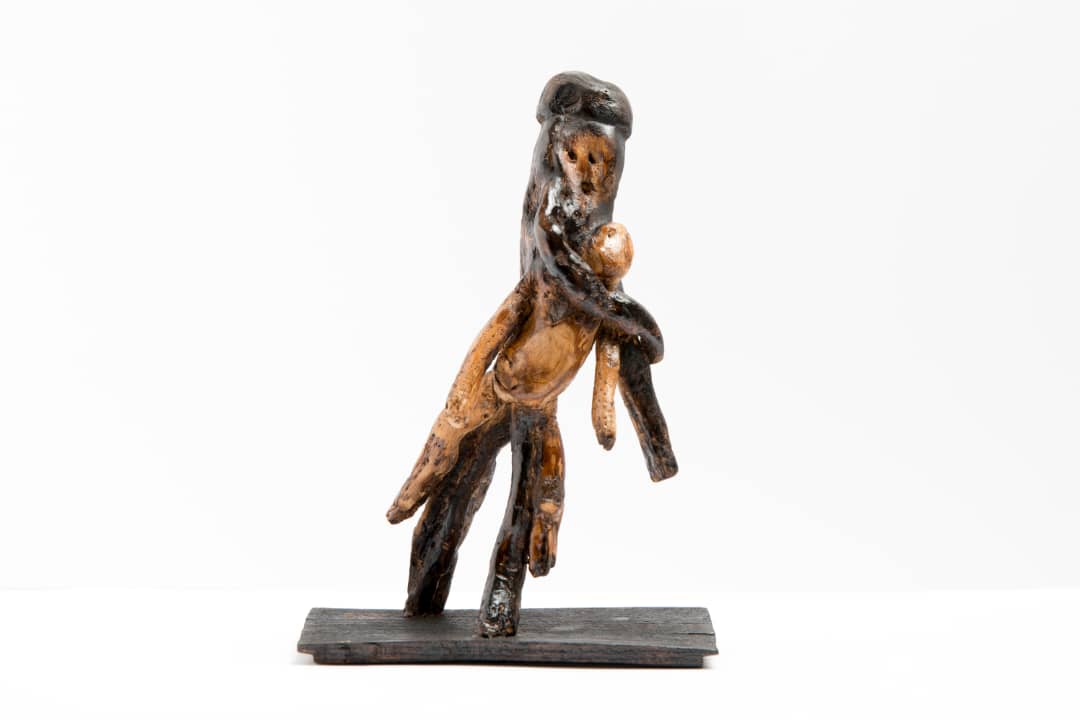
Description: Two intertwined figures—yet their closeness is not compassion. One stands atop the other, whose collapse makes the elevation possible. A relationship where strength is born from subjugation. This piece portrays the human condition where one’s rise is built on another’s ruin.
A deliberate play on words — one that alludes to its literal meaning (standing upon another), but also evokes the metaphorical collapse of humanity, and the hidden exploitation embedded in human relationships.
This title is a precise fusion of form and concept:
Domination disguised as closeness — and a figure who rises only by pressing another to the ground.
Two figures are entwined.
But this is no loving embrace — it is tense, harsh, and unbalanced.
The upper figure is active, upright, mounted.
The lower one: limp, dangling, subdued.
Layer One: The Language of Bodies
This sculpture speaks through posture:
weight, asymmetry, tension — all designed to evoke physical and psychological exploitation.
Here, closeness is not about empathy — it becomes the mechanism of control.
A human bond, instead of offering support, turns into a trap.
Layer Two: Structural Critique
This is not merely two bodies —
it represents any system where one must fall for another to rise.
The form is minimal yet piercing.
It avoids decoration, and instead speaks plainly — humanly, urgently.
Even the dominant figure doesn’t stand firm —
because it stands on collapse, not on ground.
Final Reflection
Standing on the Fall reminds us that many forms of standing tall are not noble —
they are quietly resting on the bending backs of others.
This sculpture doesn’t scream — it asks:
Is my elevation made possible only by your descent?