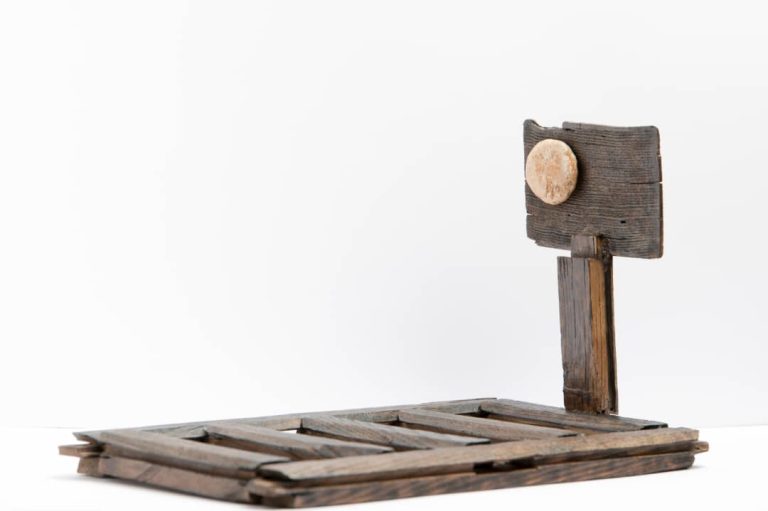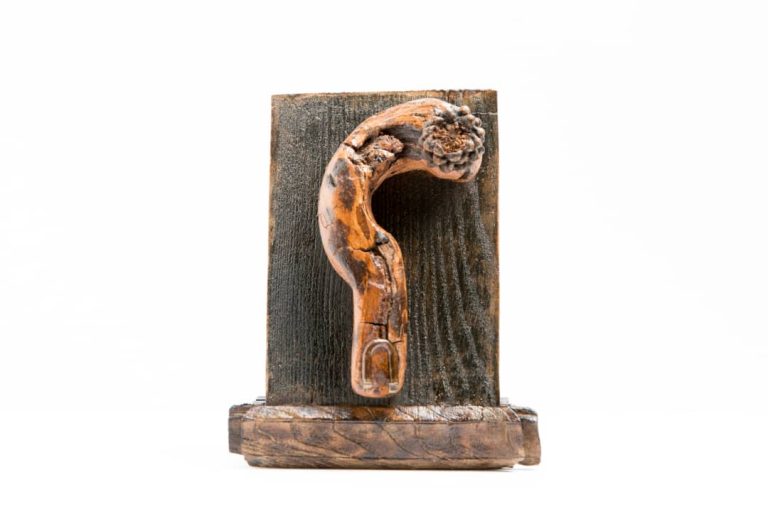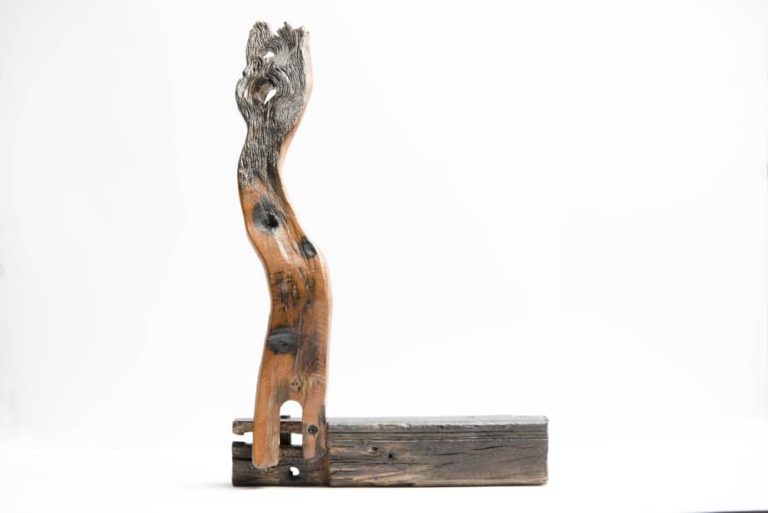
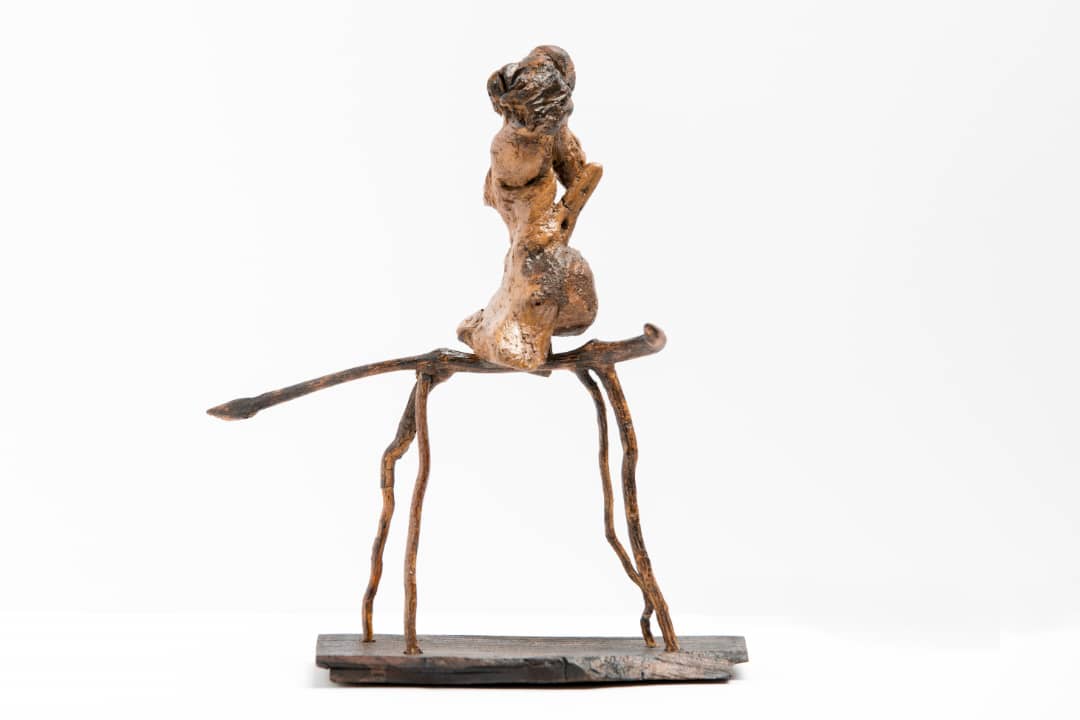
Description: A seated figure rides atop another in a posture that echoes exploitation rather than partnership. The sculpture portrays the burden of injustice—one body made to carry another. Yet the title declares resistance: No More Rides. A visual protest against submission.
This sculpture is a silent outcry —
minimal in form, yet profound in message:
the burden of oppression and the refusal to carry it any longer.
A figure sits atop another,
but this is not partnership — it is submission turned into structure.
Layer One: Form and Physicality
The upper figure is still and heavy,
while the lower figure bends, unbalanced, its legs like twisted roots or weary limbs.
It evokes those who have carried weight for generations —
laborers, the silenced, the shoulders beneath thrones.
Yet it still stands.
Layer Two: The Power of the Title
“No More Rides” is more than a phrase — it is a position.
Said not in anger, but with dignity.
It doesn’t demand “Get off.” It calmly states:
“I will no longer carry.”
This tone transforms the piece from a sculpture to a moral and social statement.
Layer Three: Societal Allegory
This is not about two people.
It is about systems that elevate one by exhausting another.
About comfort built on unseen backs.
About those who sit high while pretending it costs nothing.
Final Reflection
No More Rides captures that moment when a person says, “Enough.”
A back that bends — but has not yet broken.
A final stand that is not violent, but noble.
This sculpture does not incite rebellion —
it restores dignity.
And that makes it one of the most powerful forms of protest:
carved not in anger, but in silence,
from wood — and from truth