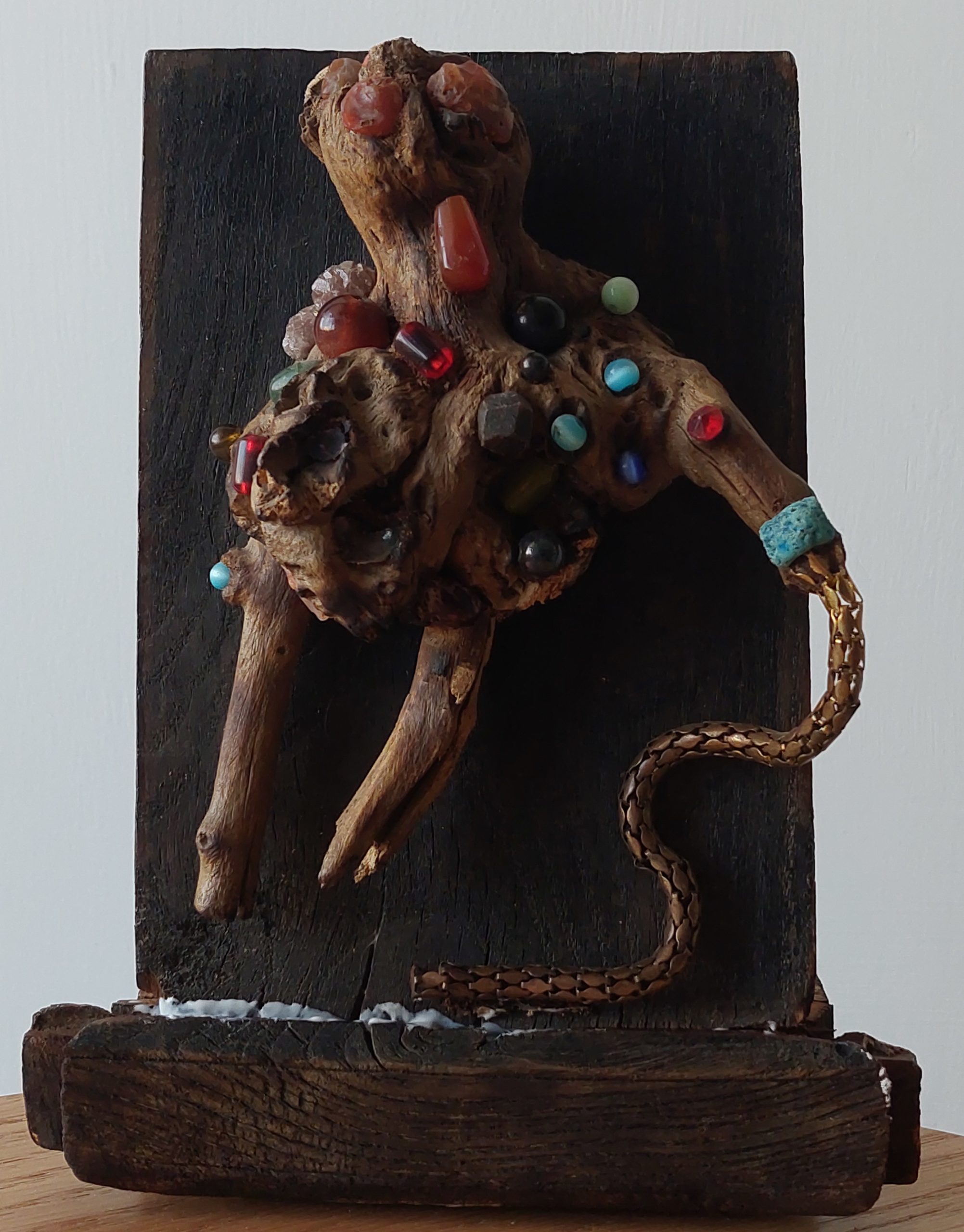
Description: This sculpture presents an allegorical embodiment of evil—adorned with semi-precious stones and shaped like a sacred figure. Beneath its colors and polished surface lies a decaying, menacing, and seductive core. The coiled tail or whip-like extension signifies domination, deviation, or temptation. *His Excellency, Evil* represents the corrupted beauty and power rooted in illusion and darkness.
Form and Structure
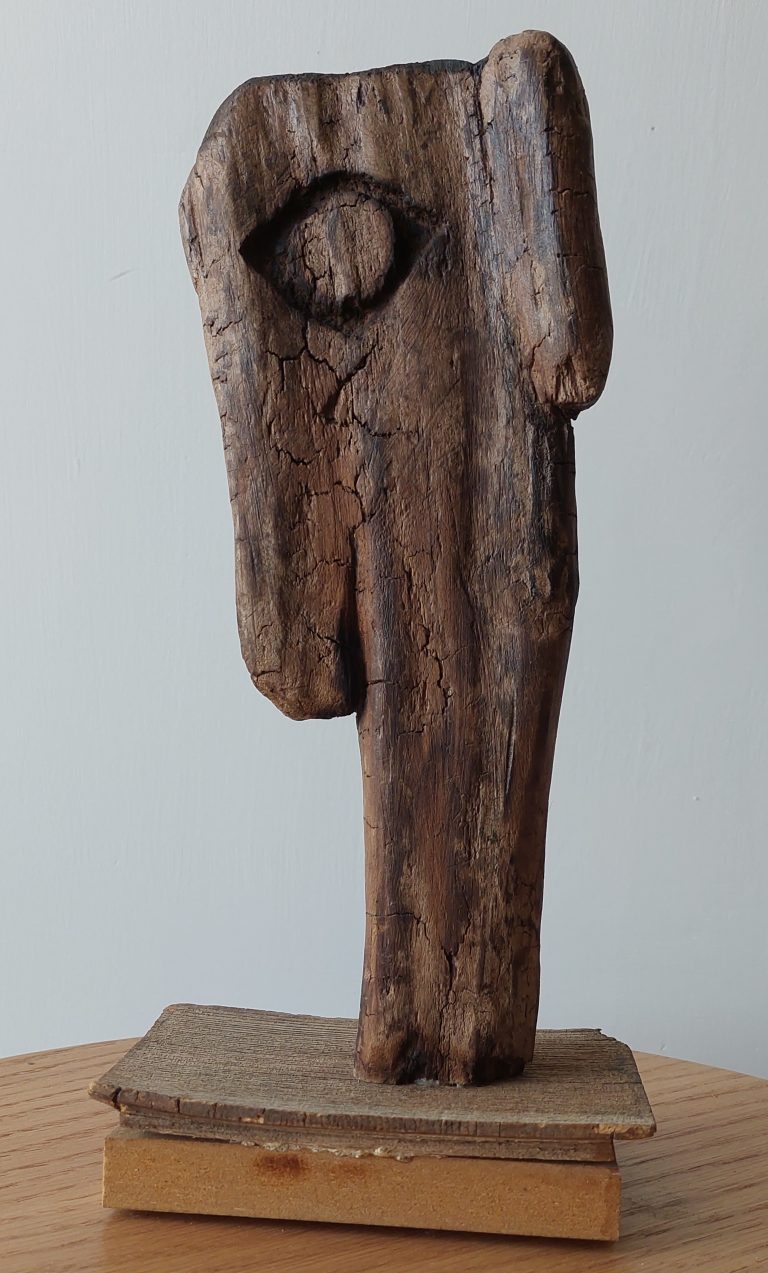
This sculpture presents a standing creature—humanlike yet grotesque, faceless, knotted, and riddled with cavities. Its legs are simple, but the upper body is swollen, irregular, and unnaturally deformed. Embedded across this lumpy surface are bright, colorful stones—semi-precious gems perched like ornaments on a decaying body.
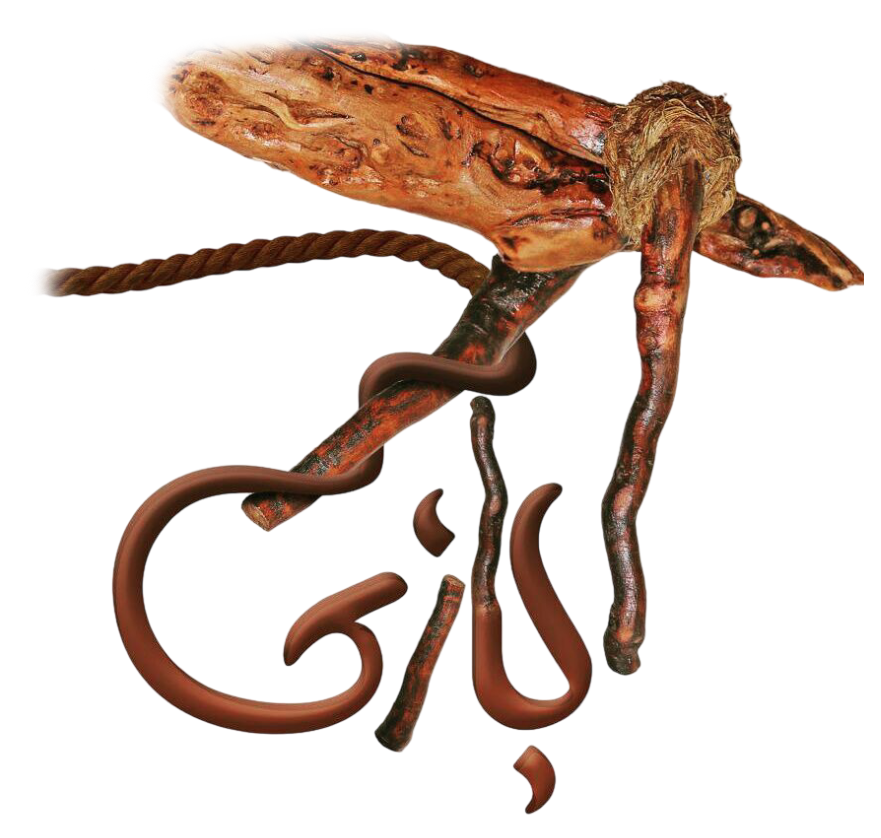
From one side, a textured, braided extension coils outward—resembling a whip, a tail, or a tool of control or pleasure. It hints at dominance, deviation, and primal instinct.
Theme and Philosophical Meaning
The title, His Excellency, Evil, carries an intentional and provocative contradiction. “His Excellency” evokes reverence, sacredness, and nobility; while “Evil” denotes darkness, destruction, and corruption. This linguistic tension is mirrored in the form:
- Precious stones sit atop rot;
- The figure is adorned, but wounded;
- Beauty is the vehicle for decay;
- And power is not redemptive, but seductive and corrupt.
Material and Symbolic Language
Natural wood, semi-precious stones, metal, and braided leather—all speak with their own visual language. The wood is ancient, hollowed, and fragmented—bearing the marks of time and deterioration. The gemstones, though gleaming, are scattered in no discernible order—their beauty dissonant with their decaying host.
This contrast becomes metaphor:
Beauty that grows from meaninglessness is complicit in corruption.
Emotional and Psychological Impact
This sculpture neither comforts nor terrifies—it disorients. It draws the viewer in with its alluring sparkle, then unsettles with its formless, wounded core. It triggers an essential question:
Why am I drawn to this—and why does it disturb me?
That paradox is precisely the work’s strength. It invites introspection, not as a mirror, but as a trap.
Final Reflection
His Excellency, Evil is a sculpted metaphor for deception cloaked in glory. It gives form to evil not as monstrous, but as groomed, elevated, and dangerously desirable. This is not a celebration of corruption—it is a warning:
Evil does not always scream. Sometimes, it dazzles.